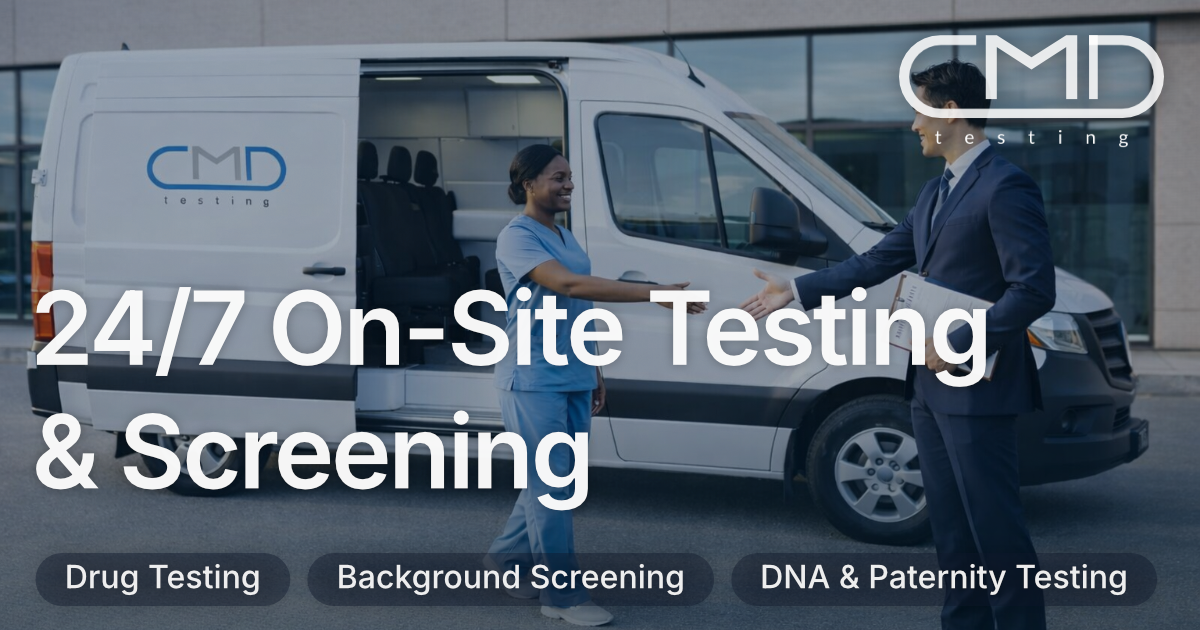
In Dallas, TX, the value of owner-operator consortium program comes from combining local convenience with a process that is still appropriate for the reason the service is being requested. CMDT has operated since 2011 and provides 24/7 mobile testing support along with background screening and DNA services, using documented processes designed to keep customers organized. Here, the priority is the specific customer need: a compliant consortium and random pool process that does more than schedule individual tests.
Clearinghouse duties are related to the program but are not automatically the same thing as consortium enrollment, so the scope of delegated services should be clear. For service in North Texas, that point matters because the customer needs a compliant consortium and random pool process that does more than schedule individual tests.
The pool needs to stay current as drivers enter or leave covered service, and selections should be spread through the year according to the applicable random testing requirements. A one driver employer must participate in a consortium random pool administered under the federal rules. For customers across North Texas, we use those details to keep the owner-operator consortium program appropriate for its intended purpose.
Our first step is to define the outcome the customer actually needs from this owner-operator consortium program. In Dallas, TX, that means separating convenience from the rules, evidence standard, or employer process that gives the final record its value.
Good preparation should shorten the process. In North Texas, we focus on the facts that actually change how this owner-operator consortium program must be performed or documented so it supports a compliant consortium and random pool process that does more than schedule individual tests.
A Dallas-area appointment can involve substantial cross-metro travel, so on-site coordination is most valuable when it protects a shift or start date without changing the required testing procedure. North Texas employers often coordinate across offices, construction sites, fleet yards, warehouses, and field locations rather than one central workplace. This service is most useful locally when it solves the travel problem while still delivering a compliant consortium and random pool process that does more than schedule individual tests. Consider a contractor bringing a new crew onto a project while keeping the morning schedule intact. The most efficient answer is often a correctly classified service at the right location, rather than a separate trip that adds no value to the record.
A mobile provider cannot change a federal deadline, convert a personal DNA collection into a legal one after the fact, or make an employer’s hiring decision. The current service model includes 24/7 mobile availability for testing needs that do not fit a standard clinic schedule. For customers in North Texas, we apply those same boundaries to the owner-operator consortium program so convenience does not replace the rules, documentation, or evidence standard behind the request.
For this owner-operator consortium program, these CMDT pages provide current service and location context for North Texas.
This owner-operator consortium program can involve rules beyond the appointment itself. Customers in North Texas should review current government or accreditation guidance when it applies.
Q: For dot consortium management in Dallas, TX, does a one driver owner operator need a consortium?
A: Yes. FMCSA guidance states that an owner operator or one driver employer must participate in a consortium random testing pool rather than manage a one person random pool alone. We use that point when organizing the owner-operator consortium program for customers in North Texas.
Q: In Dallas, TX, can the collection be mobile?
A: A mobile specimen collection may be practical for an owner operator who is working locally, provided the DOT collection requirements can be satisfied at the site. We use that point when organizing the owner-operator consortium program for customers in North Texas.
Q: How are random tests scheduled in Dallas, TX?
A: Selection should be scientifically valid and spread through the year under the applicable rate. Once selected, the driver should receive only the notice allowed by the rules and proceed as required. That is one of the details we settle before an owner-operator consortium program appointment in North Texas.
The service event should end with a clear handoff. For this owner-operator consortium program across North Texas, that means knowing where the specimen or screening order goes, who receives the reported result, what supporting records should be retained, and whether the customer has another deadline after the appointment. This is particularly important in DOT programs, employment screening, and legal DNA work, where the collection is only one part of a larger process. Treating the final record as part of that workflow helps prevent a correctly performed service from being mishandled later.
Ready to arrange owner-operator consortium program in Dallas, TX? Tell us who needs the service, why it is being requested, and the schedule you are working around. We will help organize the correct path.

Professional drug testing and background screening services since 2011. Trusted by Fortune 500 companies nationwide.
Available 24/7 with mobile testing units
CWOB Certified
NDASA Member
Investment ranges and details are governed by the CMDT Franchise Disclosure Document (FDD)